
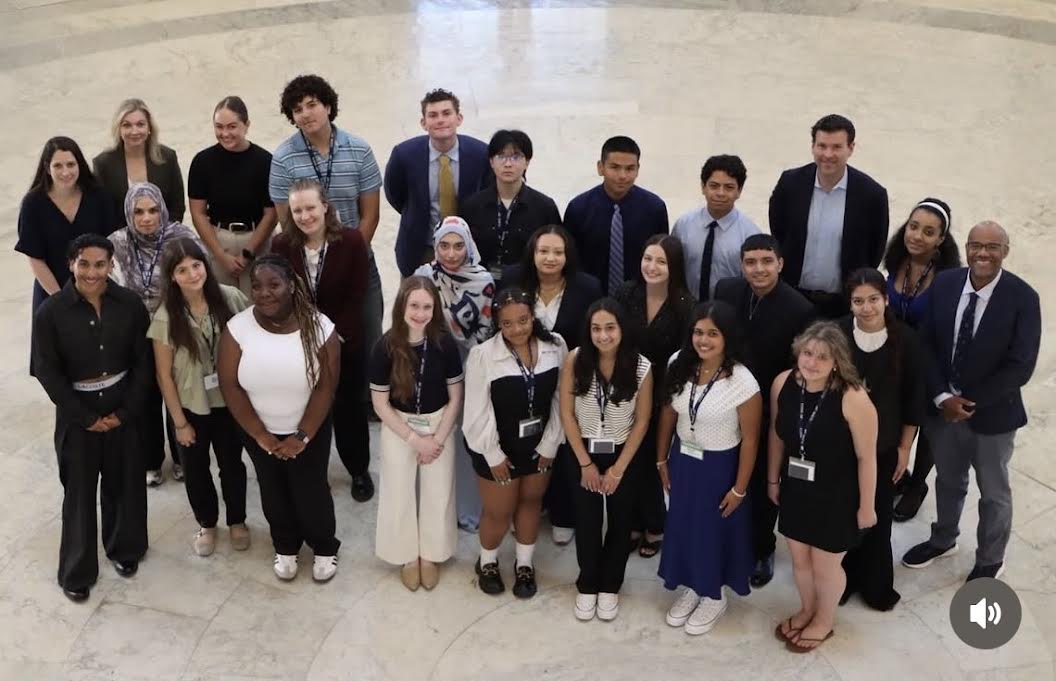











Norwood High School students experienced a pure life as they traveled to Costa Rica for an extremely rewarding conservation trip.
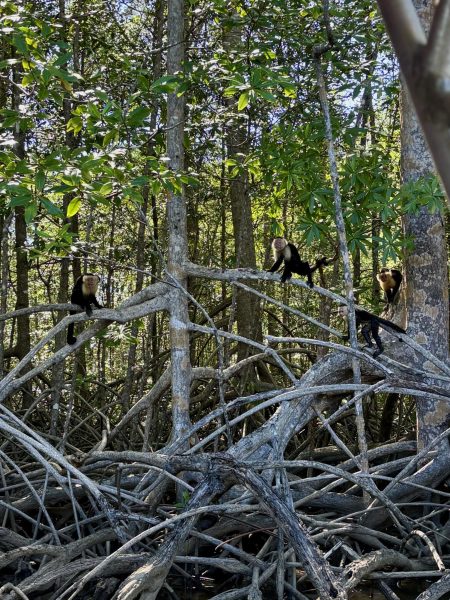
Costa Rica, an immensely biodiverse, abundant, Central American country, hosted 20 students and 3 chaperones for a Mangrove conservation project. The students prepared mangrove seedlings in a nursery, dug over 100 holes to plant them along the shoreline, and took a boat to pick their own seedlings to return to the nursery.
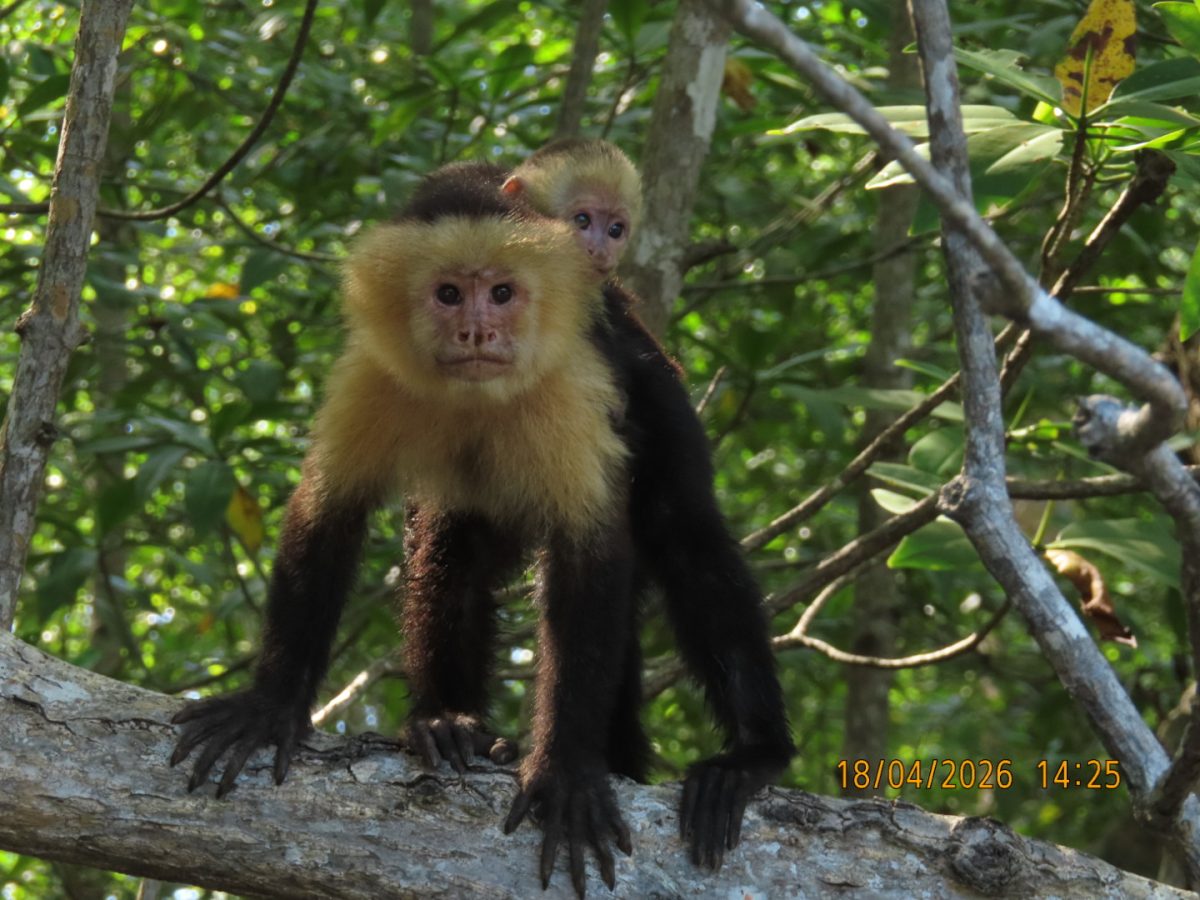
Mangroves, as explained by the trip’s Mangrove expert, Hayner, are incredibly valuable for the land in Costa Rica. With the immense amount of water comes the inevitable possibility of flooding. Their roots create a solid barrier that protects both land and wildlife, as the mangrove forests inhabit thousands of species— a few of which were spotted on the trip!
To begin the fieldwork, students split into three groups: Shovels, rakes, and bottles. Shovels worked on replacing old bags of dirt with new ones, rakes worked on collecting decay, and bottles worked on cutting up and creating a place for the baby mangroves to grow in replacement for the young that would be planted later.
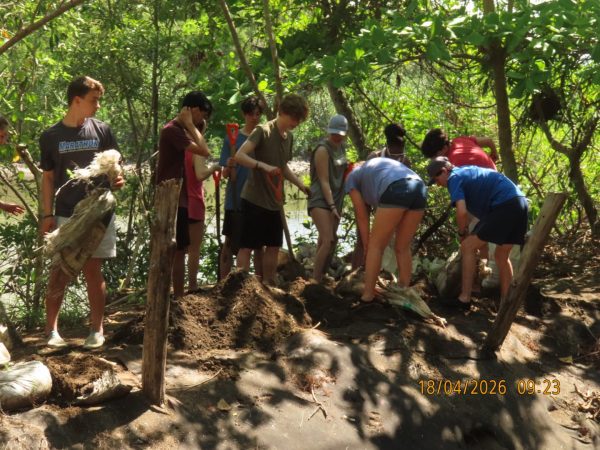
“[Shoveling] was hard, but it was a lot of fun. I was just sweaty because it was like, 87 degrees, but I don’t know, I had fun,” said Senior Shyla Civil, part of the shoveling team.
Human chains and teamwork were the bulk of the work, as students worked together to take the young mangroves up and out of their nursery and transport them to the proclaimed “tour bus”. The young were brought to a shoreline, where another human chain commenced to a remote area, where teams were split once more into bottle cutters and planters. Bottle cutters prepped the bottles to allow for easy removal of young mangroves and their roots while planters dug and planted the young.
After a well-deserved lunch break, work was picked back up, as the group got on a boat to pick their own mangrove seeds. Each student picked about 10 seeds and returned to the nursery, where the cut bottles were used to house these new seedlings.
Each bottle took 3 seeds, and another human chain back down into the nursery worked to place the babies in the water until they’re a bit more mature. The students finished at that, though the process will be repeated once again with the next volunteer group.
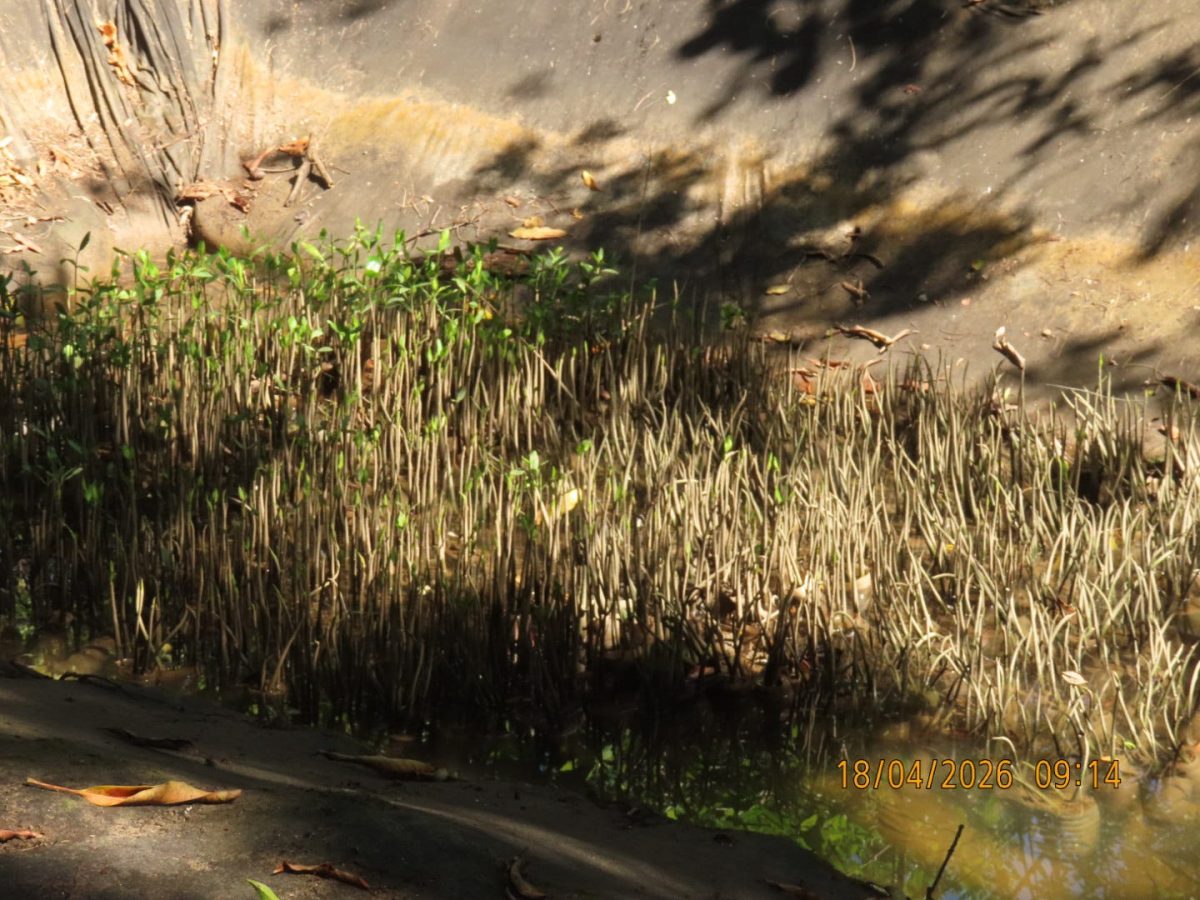
“I was glad it was over, but it was super fun. I never thought I’d do something like that, but it was really nice. Very rewarding,” said Senior Adamaris Troncoso, a student volunteer.
The entire process took about a day, and though the work was hard, the memories of this amazing opportunity to help local communities in Costa Rica will last a lifetime.