



















The 2028 election will be here before you know it. This article is a brief overview of many politicians who are commonly being floated as potential candidates. It’s important to note that the 2028 election is still pretty far in the future. In the political world, much can happen in any span of time that can make or break anybody’s career. Some people on this list will run, some may not. Candidates will likely announce their runs in late 2026-mid 2027
Republican Front-Runners
Vice President JD Vance
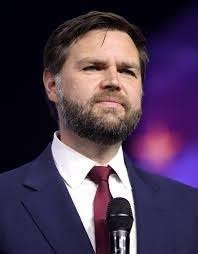
Vice President Vance is the youngest Vice President in American history, having been inaugurated at age 40. During the second Trump administration, Vance has approved cabinet nominees such as Pete Hegseth and Pam Bondi. Vance is also leading Trump’s war on fraud, which started after the Somali daycare scandal in Minnesota and many other states. The former Ohio senator has strong support within the Republican Party, with a 79% approval rating(according to Decision Desk HQ).
The former Trump critic has become a staunch ally of the president, promoting his agenda of restricting illegal immigration, tariffs, and social conservatism. The former Marine is often more isolationist and America-first, reportedly being more skeptical of involvement in foreign affairs. The Vice President has been seen as the main frontrunner for the 2028 election. According to the online prediction markets Polymarket and Kalshi, Vance has a 39-45% chance of becoming the Republican nominee.
Secretary of State, Marco Rubio
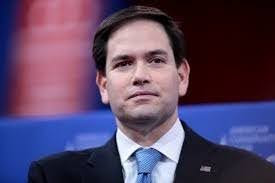
Secretary of State Marco Rubio has had a very active role in President Trump’s administration and has been a very vocal supporter of the administration’s actions both domestically and abroad. The former Florida senator ran for president in 2016 against Trump in the primaries but dropped out on March 15, 2016, shortly after a poor performance on Super Tuesday(3/1/16). Rubio is seen as a hawkish interventionist trying to promote American interests at home and abroad, imposing sanctions on American enemies like China and Russia, and supporting allies like Israel and Ukraine.
Being the son of Cuban immigrants, Rubio is strongly opposed to Cuba and Venezuela’s communist governments, and supported the capture of Venezuela’s president Nicolás Maduro(who was never recognized as legitimate). At home, Rubio is socially conservative, promotes family values, and supports tax cuts and a free market. According to Pew Research, Rubio has around a 64% favorability rating within the Republican Party. According to Kalshi and Polymarket, Rubio has a 19%-21% chance to win the nomination.
Republican Contender
Florida Governor Ron DeSantis
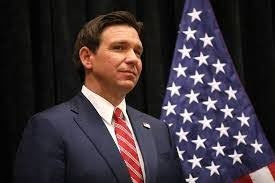
Florida Governor Ron DeSantis is one of the most popular governors in the country, winning reelection in 2022 by 19 points, and consistently having an approval rating well over 50% among Floridians of all parties combined. DeSantis is a Navy veteran who served from 2004 to 2010, was deployed to Iraq in 2007, and remained in the Navy reserves until 2019. The Florida Governor ran in the 2024 primaries but dropped out once it became clear that a President Trump victory was inevitable. DeSantis dropped out shortly after New Hampshire and endorsed then-former President Donald Trump. Governor DeSantis is a staunch social conservative, especially attacking so-called woke culture, and pushing back on schools and businesses for promoting a political agenda when none should be promoted. He is known as a strong advocate for parental rights, tough-on-crime policies, and low taxes. His claim to fame came about when the coronavirus pandemic hit, with Florida having some of the least restrictive COVID-19 policies. According to the previously mentioned betting markets, DeSantis has around a 4-10% chance of winning the nomination.
Republican Secondary Contenders-Longshots
Former Virginia Governor Glenn Youngkin
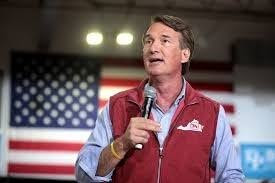
Glenn Youngkin was Virginia’s governor from 2022 to 2026 and maintained an approval rating above 50% throughout all 4 years in a blue-leaning state (Governors are only allowed one term in Virginia). Often seen as a bridge between MAGA and the establishment wing of the party, Youngkin is more moderate than many other mainstream Republicans.
His main economic focuses often include pro-business/worker beliefs such as cutting taxes (especially income taxes, standard deductions, and tax credits for businesses), creating jobs, and reducing business regulations. Socially, his most important policies include strong family units, defending parental rights in schools, and transparency in school curricula. Youngkin currently sits at a 2-3% chance of becoming the Republican nominee.
Former UN ambassador/Former South Carolina Governor Nikki Haley
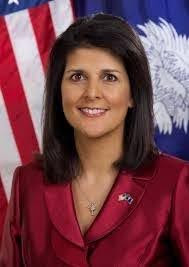
(Wikimedia Commons)
Nikki Haley served as South Carolina’s governor from 2011-2017, and President Trump’s United Nations ambassador from 2017-2018. She also ran a failed presidential campaign during the 2024 cycle, remaining in the race until March 6. During the primary, President Trump won all states/territories quite handily, with the exceptions of Vermont, which Haley won by roughly 4.19%, and DC by roughly 29.7%. Haley mostly appealed to the establishment wing of the Republican party, rather than the populist MAGA base.
Similar to Rubio, Haley’s foreign policy is more hawkish, with much more willingness to get involved in foreign conflicts, such as aiding our allies in the Russia-Ukraine and Israel-Palestine wars(something she heavily campaigned on), and supporting alliances such as NATO. She also supports sanctions on China and Russia. Domestically, she supports lowering taxes and decreasing government spending. The betting markets currently have Haley at a 1-5% chance to win the primary.
Texas Senator Ted Cruz
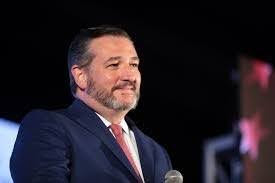
Ted Cruz has served in the U.S. Senate since 2013. He ran for president in 2016 but finished second to President Trump in a hotly contested primary. Throughout his career in the Senate, Cruz has fought for and supported cutting taxes, pro-family messaging, supporting the Second Amendment, and border security. After losing to Trump in 2016, Cruz quickly became an ally and helped pass much of his legislation.
Though a very polarizing figure, according to the University of Texas, Ted Cruz has roughly a 44% approval rating, which isn’t very good. However, compared to other figures nationally, it isn’t bad. Among Republicans, Cruz has a 60-75% approval rating according to Quinnipiac. Between Polymarket and Kalshi, Cruz has a 3-10% chance to make it to the general election.
Democrat Frontrunner
California Governor Gavin Newsom
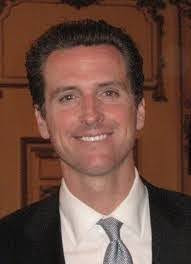
Governor Newsom has been seen as the clear Democratic frontrunner for 2028 since before the 2024 election. Newsom has been California’s governor since 2019 and will be ineligible to seek a third four-year term. The governor is known as one of the most polarizing and progressive Democrats, often supporting socially liberal policies, increased taxes on middle-class citizens and above. He opposes requiring voter ID, and even went so far as to pass a law in 2024(SB 1174) blocking local governments from requiring voter ID. Newsom also opposes the border wall and deportation, and has banned Immigration and Customs Enforcement (aka ICE) from wearing masks. According to the betting markets, Newsom has a 24-27% chance of winning the 2028 Democratic nomination, with nobody coming close to him.
Democrat Contenders
Pennsylvania Governor Josh Shapiro
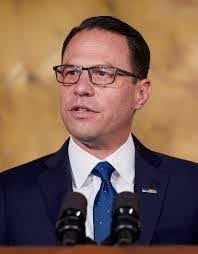
Josh Shapiro is commonly seen as a moderate who works with both sides of the aisle. He’s one of the more popular politicians in Pennsylvania and won the governorship in the 2022 midterms by 15 points. Governor Shapiro is Jewish, which likely has an impact on his staunch support for Israel. It was also reportedly part of the reason Vice President Harris didn’t choose him as her running mate due to the vast pro-Palestinian wing of the party. Last April, Shapiro and his family survived an arson attack on the governor’s house. Officials say the attack was targeted, but the motive was unknown, and may have been influenced by mental health issues. Shapiro’s main policy priorities include boosting the economy through job creation and lowering corporate taxes, improving public safety by hiring more public service workers, such as police/firefighters, preventing gun trafficking, and funding anti-violence programs. As of right now, Shapiro has a 4-6% chance to win the Democratic nomination.
Former Vice President Kamala Harris
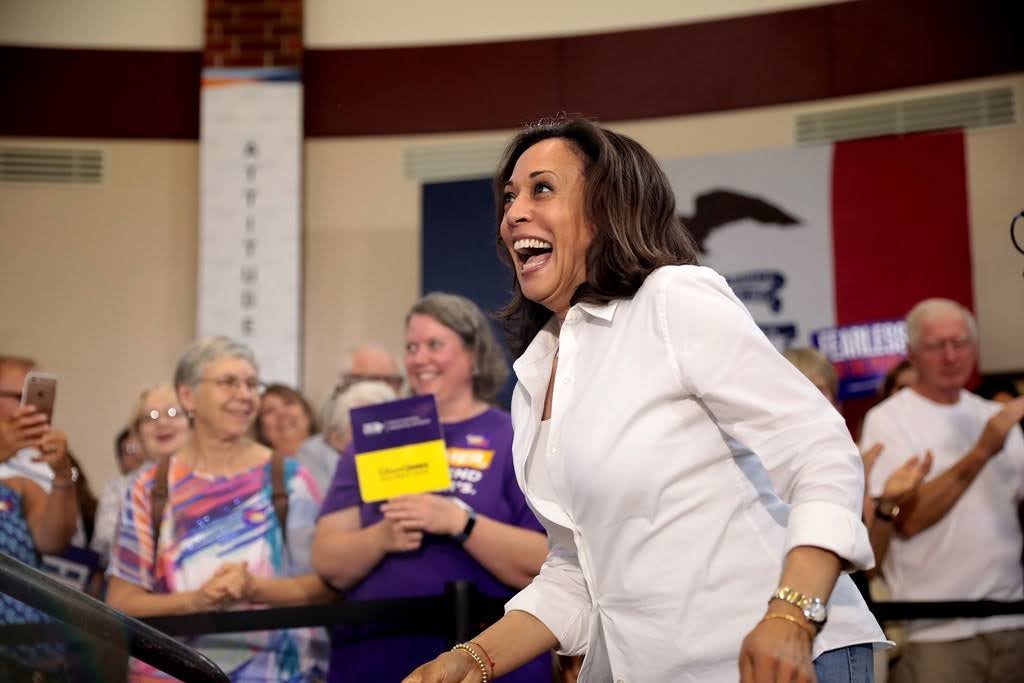
Former Vice President Kamala Harris has had plenty of national exposure serving under President Biden from 2021 to 2025. Harris is highly socially liberal, voicing criticism of illegal immigration crackdowns and voter ID laws. She supports raising taxes on high-income citizens, limiting firearm rights, sending aid to Ukraine, and promoting clean alternatives to fossil fuels. During the Biden-Harris administration, gas prices and illegal border crossings reached all-time highs, inflation reached its highest level since the Carter administration(1977-1981), and they authorized the Afghanistan pullout in 2021. This led to the deaths of 13 American soldiers, left behind $7.12 billion in military equipment, and the Taliban claiming power. During her short 2024 campaign, Harris spent much of her $1.5 billion in funds on celebrity concerts and ended $20 million in debt. Many Democrats have turned away from Harris due to electability concerns, and she currently sits at a 6-8% chance of winning the nomination if she runs, according to the markets. However, according to Yale University, Harris leads Newsom by one point in national polling.
Former Transportation Secretary Pete Buttigieg
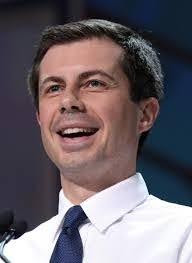
Pete Buttigieg was the transportation secretary during the Biden-Harris administration. His biggest responsibility was implementing the Infrastructure Investment and Jobs Act, which built roads, bridges, railroads, and public transportation. Buttigieg helped roll out and promote electric vehicles and charging stations to provide an alternative to gasoline-powered cars.
Many of the criticisms against Buttigieg are from a delayed response to the train derailment disaster in East Palestine and mass airline delays/cancellations. Buttigieg is known to be a great communicator, often appearing on Fox News and debating with hosts. Policy-wise, Buttigieg supports pathways to citizenship for illegal immigrants, expanding the use of electric vehicles, and giving college tuition relief. According to the markets, Buttigieg has a 6-9% chance of getting nominated.
Wild Card
Donald Trump Jr.
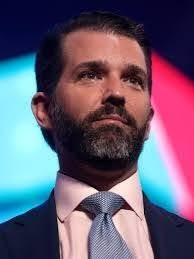
Donald Trump Jr. is the president’s eldest son(48), and has often been seen as a potential successor to his dad. However, Trump Jr. has never held any public office and is currently the Executive Vice President of the Trump organization, along with his brother Eric. People will likely vote for him because they support his father and the family’s basic political views.
Typically, wild cards either don’t run or they drop out of the primaries due to a lackluster performance. However, this isn’t always the case. For example, President Trump was a wildcard himself in 2016. He remained a wild card until the first Republican debates, where Trump shone and gained momentous support, ultimately winning not only the GOP primary but also the 2016 election. With that being said, Trump Jr. has been very vocal over the past 10 years and has had lots of political exposure, so he is in a much different situation than his father was when he was running 10 years ago. Don Jr. currently has a 1-5% chance of winning the nomination.