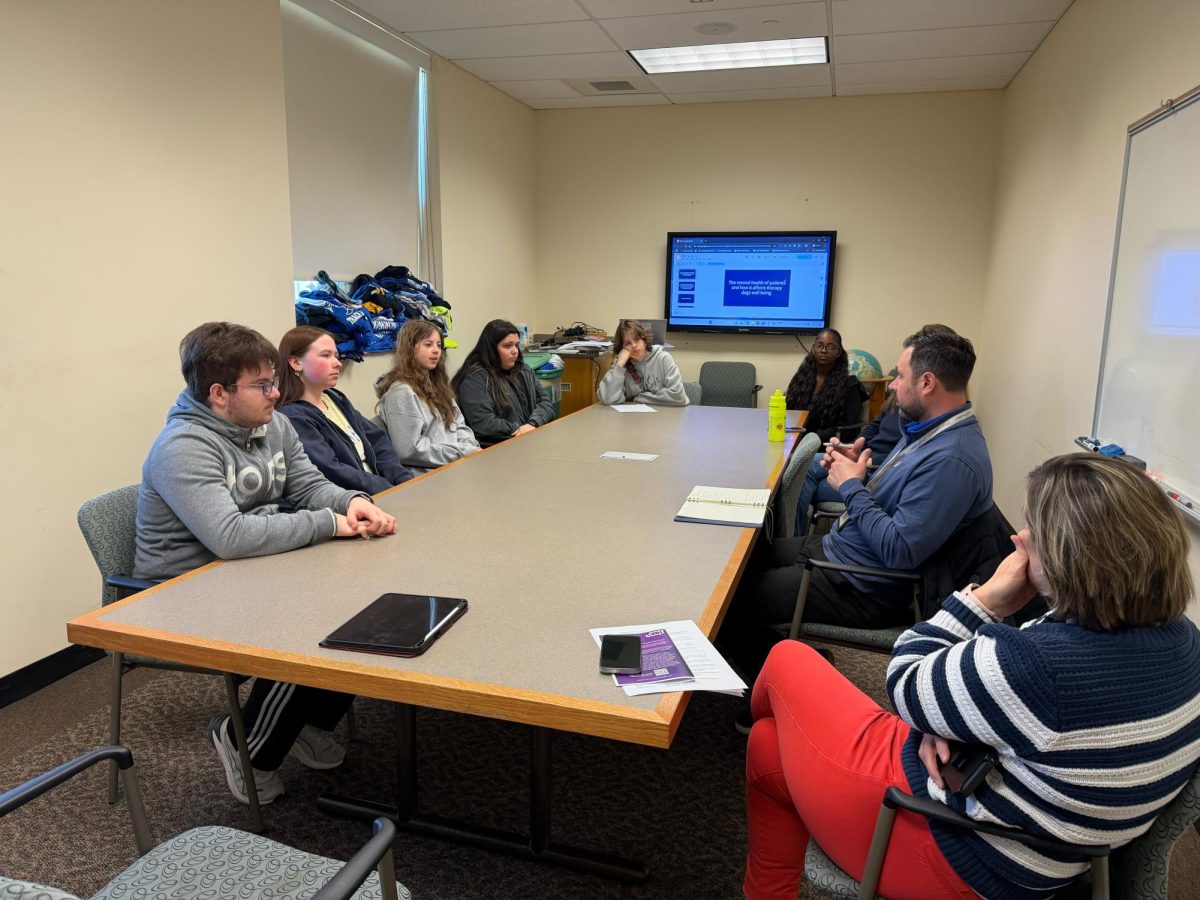




















NHS’s brand new mental health course is a series of lessons from The Mental Health First Aid program introduced to wellness classes for grades 9-10 in order to educate students on certain mental health challenges and teach them how to respond properly and efficiently.
The program highlights sensitive mental struggles such as depression, anxiety, attention deficit hyperactivity disorder (ADHD), as well as a few more. As well as non-stigmatizing language in order to prevent negative tone and offensiveness.
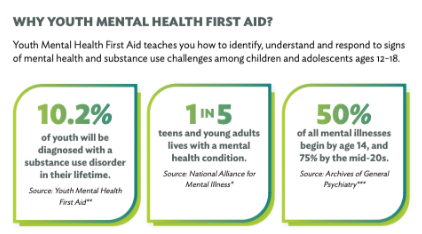
According to the National Council for Mental Wellbeing, administrator of the Mental Health First Aid Program, 50% of all mental illnesses begin by age 14 and 75% by mid-20s
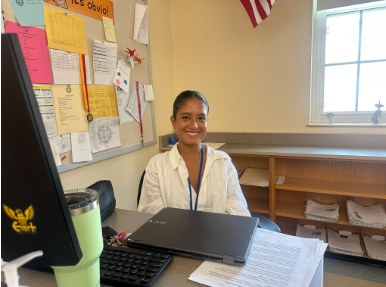
“The training gives teens the skills they need to have supportive conversations with their friends and emphasizes the importance of getting help from a responsible and trusted adult,” said wellness teacher and tMHFA organizer, Ryan Quigley.
One significant takeaway from the lessons is the importance of reaching out to a trusted adult, guardian, or school counselor to prioritize getting help for yourself or someone you know who is struggling.
Sophomore Lauren MacLean thinks the potential impact the lessons could have on students in voicing their feelings could better benefit their overall mental health and vulnerability.

“I think, in a way, people could feel more comfortable hearing the things around them being shared in the class,” she said.
Ashley Carey, another student participating in the tMHFA program, voices the effects that poor mental health can have on high school students.
“It can cause you to have a negative mindset and take away from the things you truly enjoy doing the most,” she said.
The program fosters a sense of formality and comfort for students, providing a safe space to learn about the true importance of healthy mental health strategies. Mental health is emphasized as being just as important, if not more important, than physical health itself. Without strong psychological well-being, focusing on physical health becomes more of a challenge, along with struggles of staying motivated, focused, and engaged in their everyday lives.
The National Council of Mental Wellbeing website promotes Mental Health First Aid
“Your mental health is the most important thing…if you’re not in the right state of mind, if you’re struggling, it’s hard to do anything,” said NHS Health and Wellness Teacher, Aimee Worcester.
The Teen Mental Health First Aid Program aims to make the NHS a safer and more educated community for students. Mental well-being is a top priority when it comes to a person’s overall health. Students are encouraged to reach out for themselves or for someone they know who may be struggling, as early understanding can make a meaningful difference and help individuals feel supported and not alone.