






















One of the most controversial topics of this century, daylight savings, has recently come into attention due to the negative effects on mental health and sleep schedules it has been linked to.
At a time when teens are getting less and less sleep due to technology and social media, it begs the question: Should Daylight Saving Time continue?
Despite its confusing nature, daylight saving time was a very necessary implementation at the time of its creation. In the early 1900s, a large majority of the American population relied on farm-grown crops that required much work and tending from farmers. To do this, the farmers needed to work in conditions that weren’t too harsh, meaning work hours were while the sun was up.
As the world nears the winter solstice, the amount of time farmers have to do this work gets slimmer and slimmer, with many having to wake up early and use much energy on artificial lighting to grow their crops. To conserve energy, many countries adopted Daylight Saving Time during the early years of World War I.
Nowadays, with a large amount of technological growth since the 1920s, it is very difficult to find a justification for this seemingly outdated tradition. In fact, many do not even know the reason we do it in the first place.
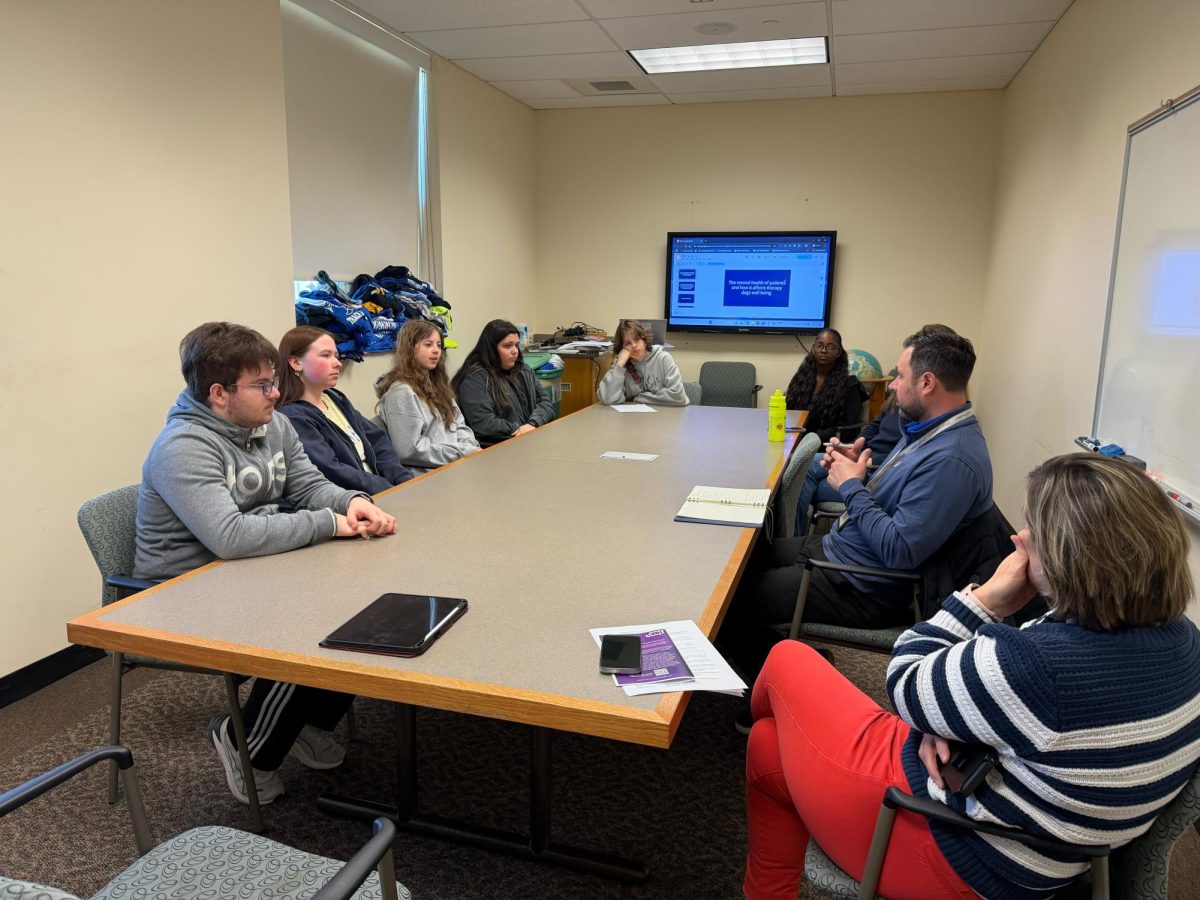
“Why do they do daylight savings?” asked Norwood High School Junior Braulio Neto.
This is not an isolated thought. The reason behind this tradition is older than any one human on the planet, and it does not hold much purpose in modern times.

Aside from the somewhat unknown history of the time change, many have criticized the negative effects it can have on people’s mental health and sleep schedules.
According to Emily Olson and Diba Nohtasham with the Bloomberg School of Public Health, daylight savings time can cause many disturbances in sleep, especially for “people with little control over their schedules, including adolescents.
This has been linked to many behavioral and health problems in children, with “adolescents who get less sleep often [having] behavioral, learning, and attention issues, as well as an increased risk of accidents, injuries, high blood pressure, obesity, diabetes, and mental health problems.” These problems often vary from child to child, making it very difficult to predict how a time change might affect an individual.
On one side of the spectrum, daylight saving time can have a minimal impact on those affected by it. Those who are used to running on low amounts of sleep or waking up early might adjust better than others.
“It usually depends on what time I go to bed, but I would say 5 to 6 hours [of sleep],” said NHS Junior Jonah Flynn-Schofield. In the fall, “there was one day where I got an extra hour of sleep, so that was pretty great.
On the other end of the spectrum, some who are less able to adjust to the change can start to feel the negative effects of a change in their sleep schedules.
“I typically sleep like 7 or 8 hours,” said Braulio Neto, and in the spring, when we lose an hour, “that means one hour less of sleep that I kind of want to get.”
“It would only just make me a little more tired,” and “If I don’t get that much sleep, I might have a little less patience,” Neto said.
This problem is shared by many middle and high school students, with the loss of sleep faced in the spring making an already-tiring school day seem that much more difficult.
“Certainly, when the time change occurs, people are often tired,” said history teacher Jeff Loja.
Many teachers have noticed a change in students’ behaviors as well as their abilities to learn at full capacity, with Loja stating that “in our present time,” this “antiquated system” we have just ends up causing more problems than solutions.
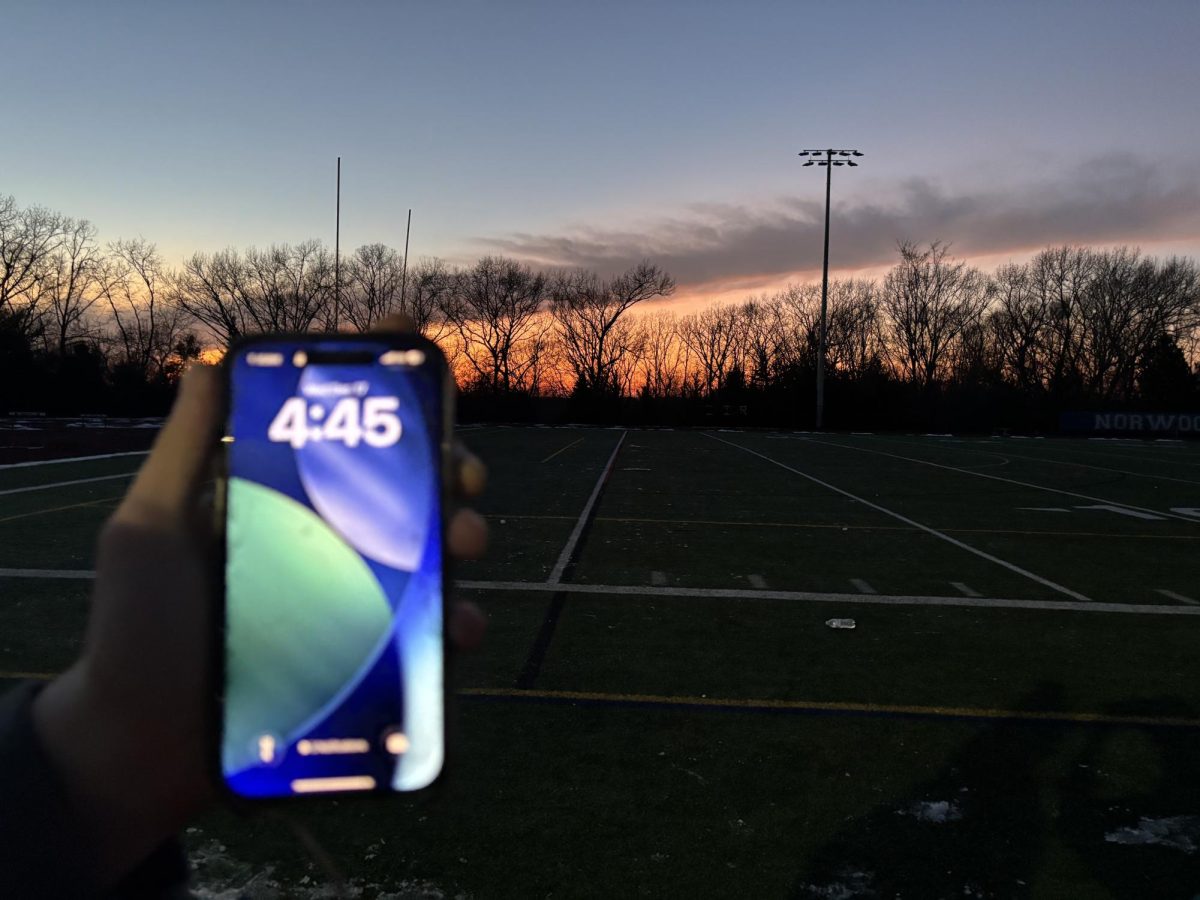
However, the extent of the effects caused by daylight saving time does not end with students. Loja voiced a disturbance amongst educators, stating, “I don’t like driving home at 4-O’clock and it’s pitch black out.”
While less noticeable, the effects on teachers can create difficulty in the schooling system. With many people in the classroom losing sleep and on edge, it can be difficult to operate with the same efficiency as it did before the time changed.
Overall, the mental and sleep disturbances on top of an outdated purpose make it very strenuous to find a justification for this practice. Many think it should be removed altogether, with Neto voicing that it’s “kind of a dumb thing.”
Despite the controversy surrounding it, it is unlikely that daylight saving time will be changed anytime soon. Over the past century, it has ingrained itself very deeply into our system, and it would take much effort to remove it from federal legislation.
Although the thought of this tradition continuing may seem daunting, all hope is not lost. There are many measures that people can take to prepare and recover from the effects of daylight saving time.