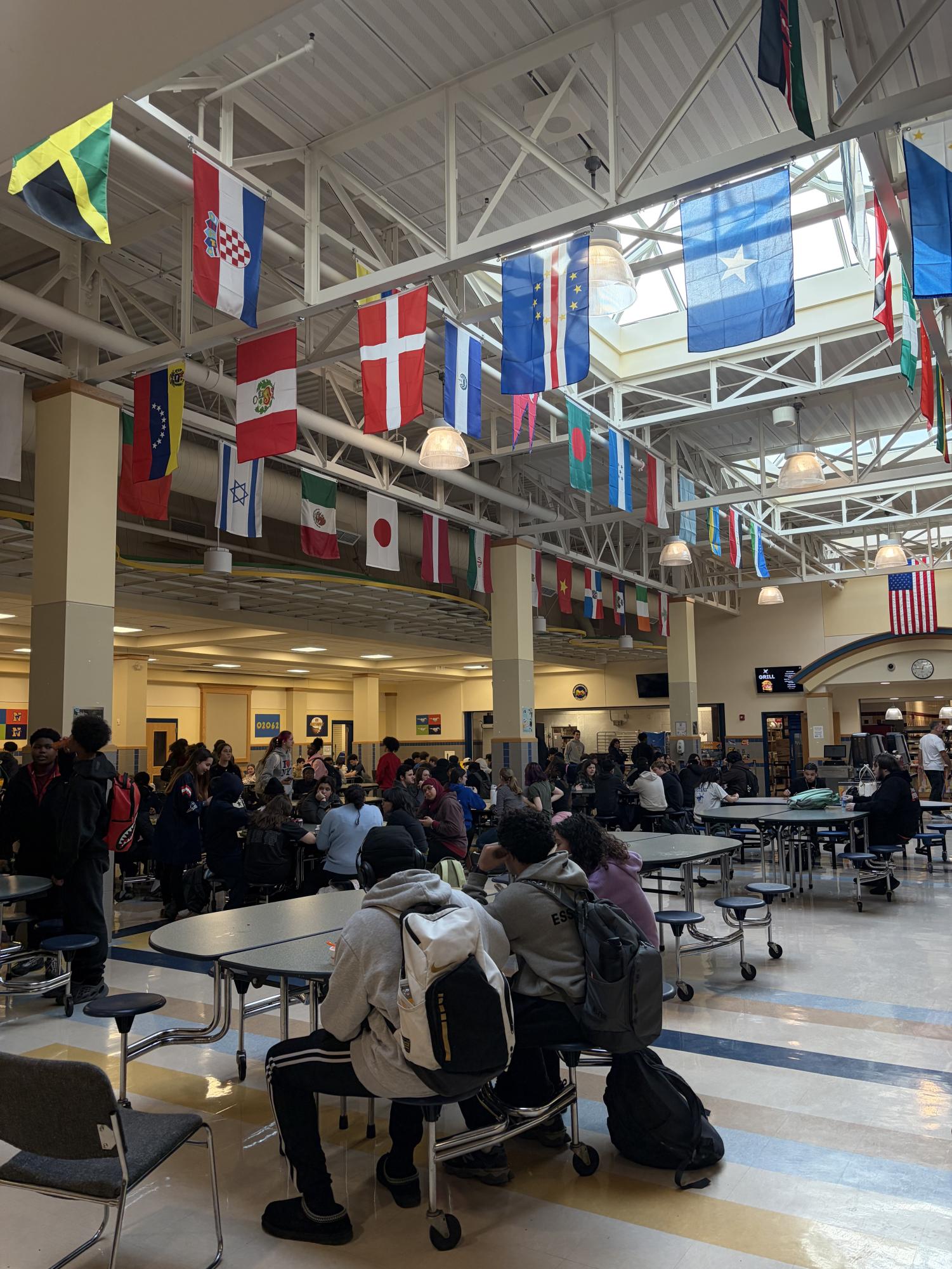
Every morning, students shuffle through the doors of Norwood High, backpacks slung precariously over their shoulders and weighed down by their laptops, textbooks, and unfinished homework, all tightly packed inside. At first glance, it’s easy to assume that all students are worried about the same things: upcoming tests, college applications, sports tryouts.
Yet, for some students, what they carry goes far beyond school supplies. Woven into their daily lives are stories of other countries, different traditions, and unique cultures that continue to shape who they are. These students, whom you might walk past in the hallway, bring new perspectives that stretch beyond the walls of our school and stories that quietly enrich the community around them.
One of these students is Senior Maryam Ozodova, who originally grew up in Uzbekistan and spent the majority of her formative years there.
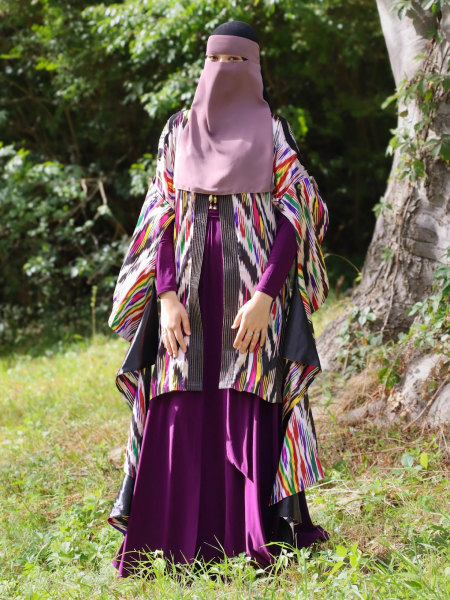
“…My family and I moved here in August of 2019,” Ozodova reflects. “So I was 12 years old when I moved.”
While life in Uzbekistan wasn’t drastically different in routine, with school, family, and friends all part of her everyday life regardless of location, the sense of community stood out most to her.
“In my country, the connection between neighbors is so strong,” Ozodova says. “We have a saying that one kid has seven neighborhoods taking care of them.”
Ozodova explained that growing up in Uzbekistan, neighbors were never strangers. Entire blocks felt like extended family, and people looked out for one another without hesitation.
“Some people [in Norwood] don’t even know their neighbors… but in my country, we knew the next block, and we were friends with them. All the kids would get together after school and just play, says Ozodova.
“My country is very nice to each other and very kind. If you see someone [you know] on the street, we give them gifts. And we love having guests over our house…” she adds.
This sense of community and closeness is something that Ozodova believes is lacking in the United States, highlighting how our cultures and upbringing can shape our daily lives and what we believe to be “normal”, until we step out of what is familiar to us.
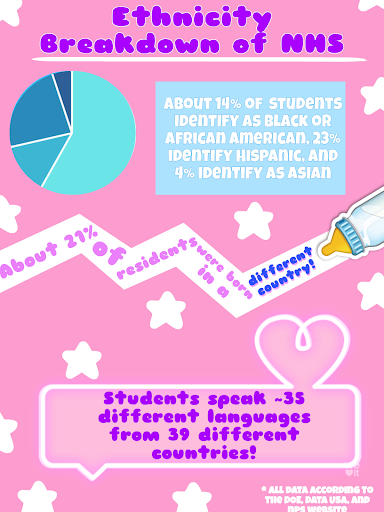
School was also another major adjustment for Ozodova. In Uzbekistan, she attended a prestigious Russian-German school with a structure unlike American schools, where she needed to learn both the Russian and German languages. Instead of switching teachers and classmates every year, students stayed together in groups for their entire education.
“You stay with the same class for all eleven years,” Ozodova said. “They become your people.”
Entering American schools in seventh grade, where schedules and classmates constantly change, was a major shock.
“At first, it was weird seeing different people in every class, but now I’m used to it. I feel like it would be harder for me to go back,” said Ozodova.
Yet, rather than seeing these differences as obstacles, Ozodova sees her experiences as things that helped to shape her adaptability and character. She learned English quickly and found her place here at NHS, blending her past with her present and still carrying the traditions she values with her.
“I think I weave them [traditions and values] in very well. That’s what I’ve been doing.”
For many students, finding a similar balance is made easier through clubs that celebrate culture and shared experiences or traditions. Groups such as French Club, BIPOC (Black, Indigenous, and People of Color) Affinity, Asian Cultural Club, and the Middle Eastern Student Association offer students spaces to connect with others who share similar backgrounds or who want to learn more about cultures different from their own.
These clubs offer opportunities to share food, language, and stories, and build connections that reflect school diversity, providing students with a place they can consider a second home.
Asian Cultural Club President Diya Bhandari shares why students should attend the club.
“At a school with a relatively small AAPI student population, I think clubs like ACC are very important to create a sense of community. We try to always make sure that everyone feels welcome regardless of their background and ethnicity by keeping all of our meetings… open to anyone interested,” comments Bhandari.
Bhandari also describes some of the beneficial events ACC has carried out this school year.
“This year, we’ve launched a school-wide newsletter which connects students to resources, scholarships, and other opportunities, while still raising awareness for our local Asian community,” says Bhandari.
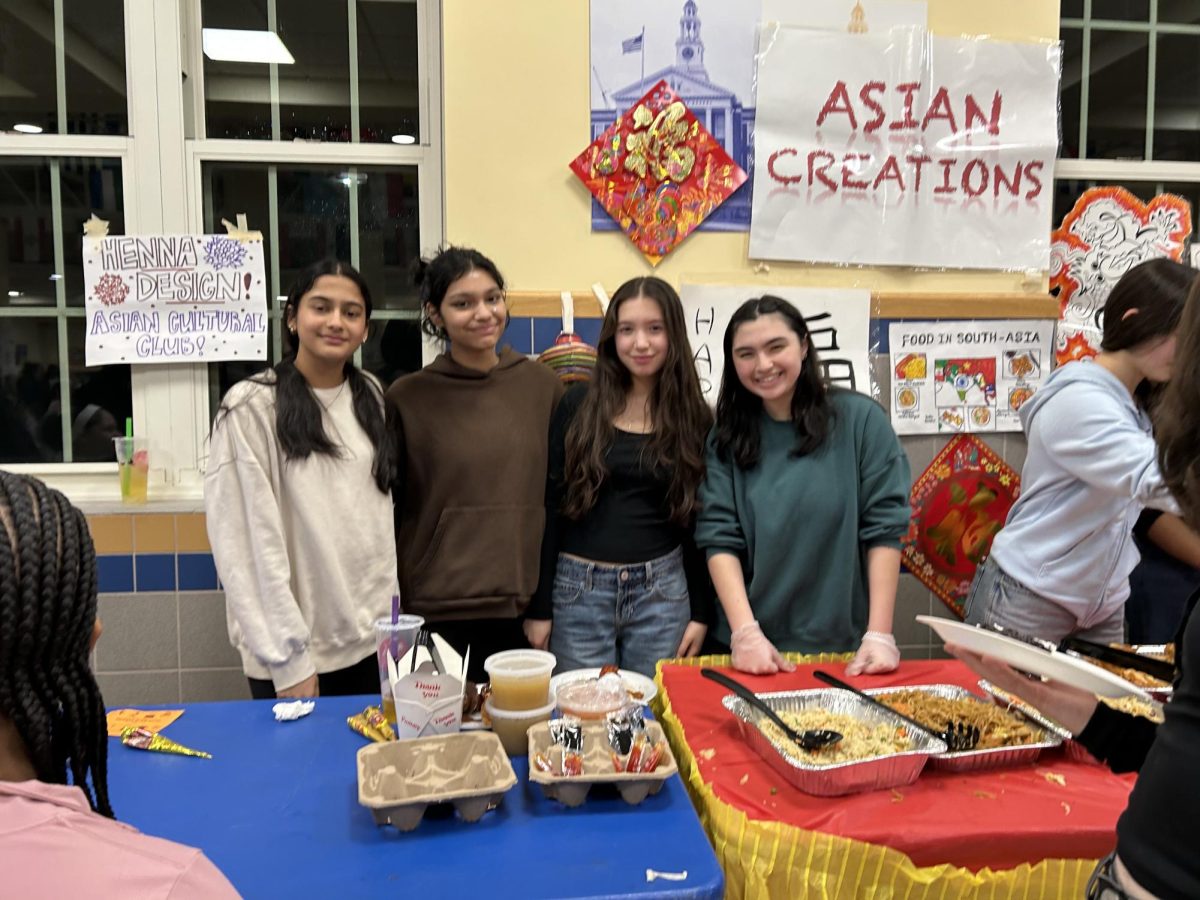
ACC meetings are held biweekly on Wednesdays in room 326 for interested students.
Cultural exchange at school extends beyond just organized clubs, as seen in Senior Sanskriti Paneru, who grew up in Nepal, a small country between China and India, and shared similar beliefs with Ozodova.
“People are closer there. I feel like it’s a better environment, and you can rely on anyone. It’s easier to ask others for stuff,” describes Paneru.
Life in Nepal differs from that in the United States. Similar to Uzbekistan, education and work are harder.
“School is more difficult, and there’s a lot more to do,” said Paneru. You definitely have to work harder too, [doing] domestic work like farming.”
However, when times get tough, those living in Nepal have a strong support system and community to rely on.
“I did realize after moving here that there it’s like you’re surrounded by more families, so even if the work is harder, I feel like you have a lot more support.”
Many exciting and fun cultural celebrations in Nepal aren’t typically celebrated in the United States. Nepalese holidays are usually huge gatherings with festivities that bring together entire communities.
“I think the biggest is when we celebrate Tihar. It’s technically [the Indian holiday] Diwali, but in Nepal, it’s slightly different,” explains Paneru. “On one of the days, you put lights all over… covering your house… When you look up [while standing] on a hill, you can see all of the lights across the village, and it looks so pretty. Everyone comes together to sing and dance.”
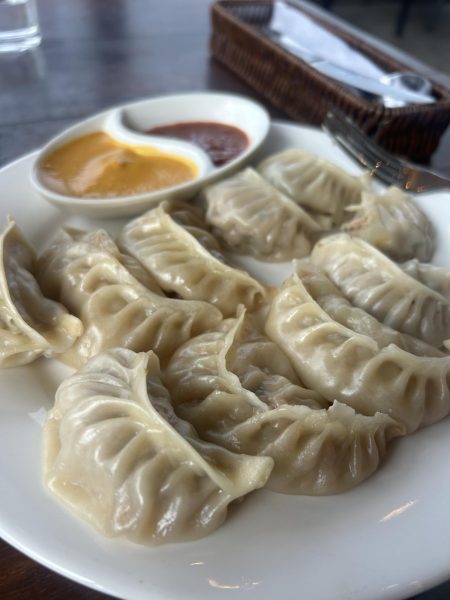
Nepali food is also distinct from that in the United States, but it remains very delicious. When visiting Nepal, Paneru makes it a goal to try new cuisine.
“The food is better than here, and they have many tastes and cuisines from different parts of Nepal… My favorite food is momo, which are like dumplings,” says Paneru.
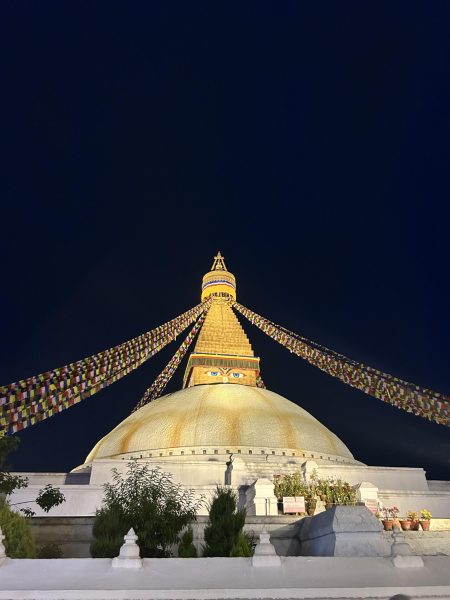
Temples and dance are major aspects of life in Nepal. Paneru performs traditional Nepali dances in Boston to celebrate her culture and contribute to festive celebrations.
“I actually did [a dance] last week. It was for Chinese New Year, which I don’t celebrate, but there’s a region of Nepal that does.”
Like Paneru, other students also draw strength from their cultural backgrounds, even if their experiences appear different. For Senior Daniel Macedo Gomez, those influences come from two countries and a family history that spans continents.
“I’m from Boston, Massachusetts, my mom is from Bahia in Brazil, and my dad is from El Salvador,” Macedo Gomez explains. “Bahia is a state… one of the biggest ones. El Salvador is tiny, like smaller than Massachusetts.”
Macedo Gomez’s parents have traversed the world, taking on a variety of jobs before settling in the United States.
“My dad went to the U.S. when he was 17, so he never had a real job in El Salvador. My mom was a Portuguese teacher for a while, and then she worked in a prison [in rehabilitation programs]. Then she ended up going to Germany.”
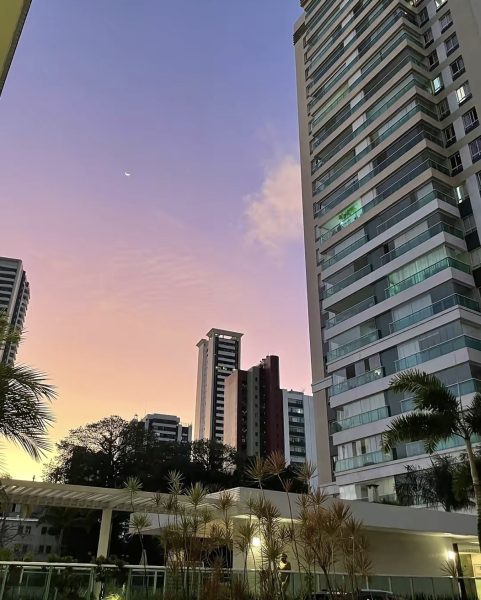
Macedo Gomez often visits to see his family, who still reside in both countries.
“I went to Brazil recently, and also [to] El Salvador recently. I went to El Salvador for Christmas and then Brazil that
summer…”
Like Ozodova and Paneru, Macedo Gomez also felt that the sense of community in the United States is slightly different.
“In Brazil, I feel like people are a lot nicer and so much more… congenial.”
Macedo Gomez also shares a funny social norm in Brazil: the large emphasis on oral hygiene.
“Brushing your teeth is a very big thing. Most people brush their teeth two to three times a day, and girls will bring a toothbrush with them in their bag when they go out,” Macedo Gomez explains.
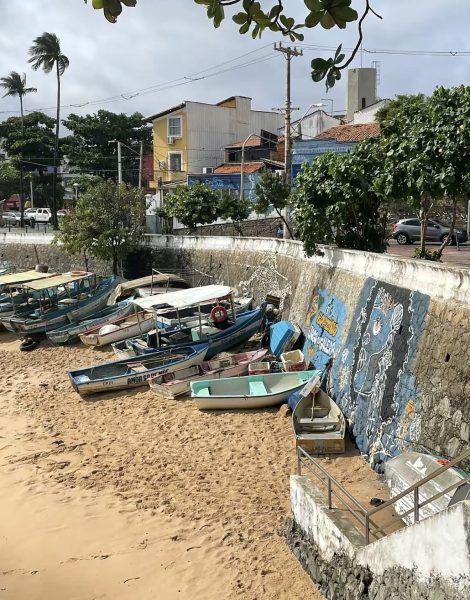
In his opinion, shopping in Brazil is also superior in Brazil compared to the United States.
“The nicest mall you can think of here [in Massachusetts] is nothing compared to shopping in Brazil… [the mall] was six stories and so big. It had like every store imaginable… You could buy a go-kart,” says Macedo Gomez.
Some students at Norwood High, similar to Macedo Gomez, have lived in the United States their whole lives, while remaining closely connected to their cultural roots and the countries where their parents were raised.
Senior Joann Yamoah shares a similar connection to her family and heritage. Her family is from Ghana, a country located along the Gold Coast in West Africa.
While reflecting on her family’s life in Ghana, Yamoah notes that her experience there differs from many residents, largely due to her father’s career.
“My family lives decently… and I think that’s because my dad does politics there. So, compared to the regular person that does a regular job, I think we are better off than others …” says Yamoah.
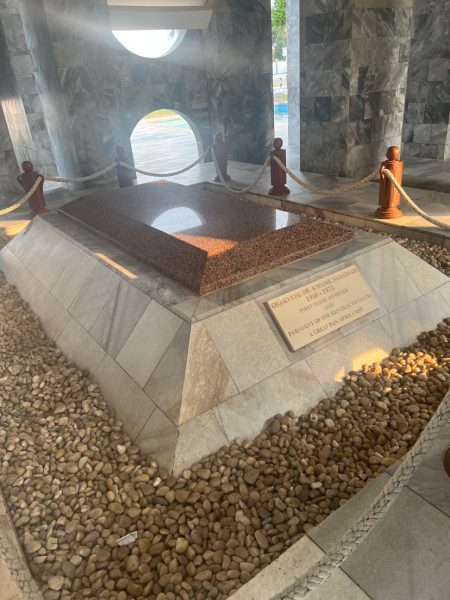
When visiting Ghana every summer, Yamoah chooses to immerse herself in the country’s culture and history, taking the time to visit important monuments and sites with her family. One place that stood out to her the most was the Kwame Nkrumah museum, which honors one of Ghana’s most influential leaders.
“I’m really into history, so we go to the Kwame Nkrumah museum. I read the book Neo-Colonialism, which he wrote, so that’s really fun. And then I always love to go to the art [market].”
Yamoah also showed appreciation for the many street vendors in Ghana.
“Transportation is really different there. Instead of trains, you ride in mini-vans called trotros, which are owned by people instead of the government… At red lights, people come to the windows and sell food, books, and other things. I think I saw Becoming by Michelle Obama once,” reflects Yamoah.
“I love it because… my grandmother lives in the village and it takes a day to get there, so if we get hungry, I… [gesture at street vendors through the windows],” she says.
It’s these ordinary yet meaningful moments, such as shared food, long journeys, and brief exchanges through car windows, that stay with us long after we return to Norwood.
And at NHS, immigration is not just a headline or a statistic; it is something that is woven into the hallways, classrooms, and conversations shared between students. Whether it’s Ozodova’s memory of close-knit neighborhoods in Uzbekistan, Paneru’s bright celebrations that bring entire Nepalese villages to life, Macedo Gomez’s blended cultural identity that stretches from Brazil to El Salvador, or Yamoah’s appreciation for Ghana’s history, art, and street life, each story reflects the impact culture leaves on our identity.
Though these students share the same building, their varying experiences stretch far beyond it. With them, they carry languages, traditions, values, and perspectives that continue to shape how they see the world and contribute to our community.
In doing so, they remind us that what our peers bring to school every day isn’t just what fits inside their school bags, but their stories.
And these stories have the power to strengthen our relationships with one another and bring our community closer together.